Cognitive rehabilitation
We sharpen processing speed, memory, executive function and sensory discrimination through structured, targeted activity.
Most neurofeedback asks you to sit still and watch a screen. We think that is half a treatment.
Instead of treating your brain's electrical activity and your cognitive processing as two separate tasks, we train them at the same time. The dual track approach forces the brain to build resilience, focus and flexibility while you are actively engaged in the work.
Electrical activity and cognitive load, trained together until they hold the same rhythm.
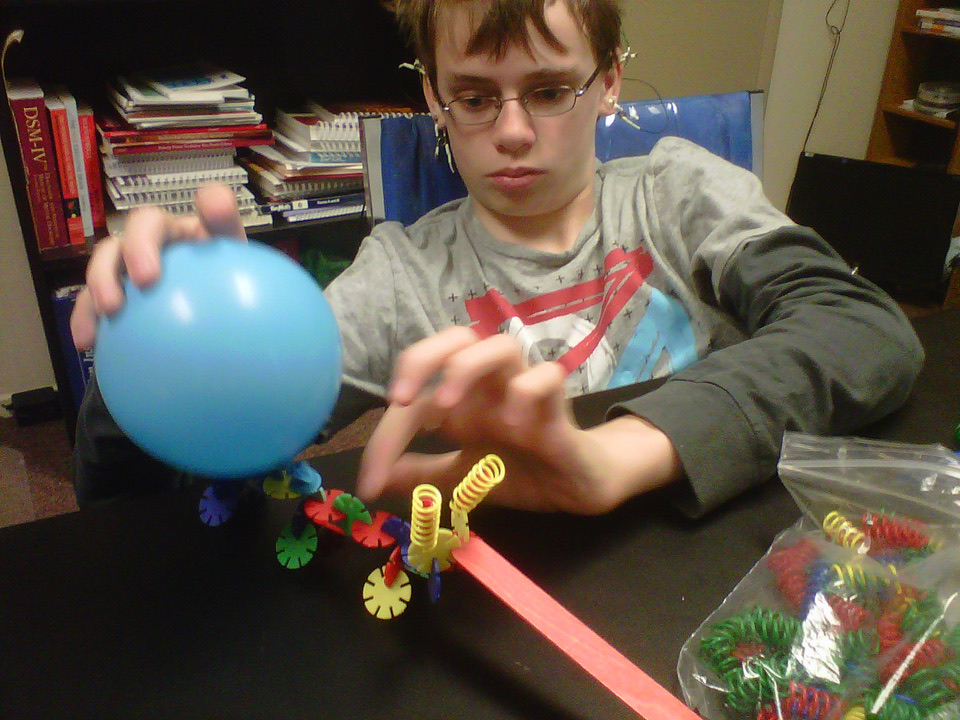
We sharpen processing speed, memory, executive function and sensory discrimination through structured, targeted activity.
We give the central nervous system real time mirroring, so it can self correct, build stability and optimise its own cortical activity.
The goal. To move your system out of chronic stress mode and help your brain remember how to toggle seamlessly between deep, restorative relaxation and sharp, alert focus.
A versatile framework covering both cognitive and physiological systems.
Most programmes ask you to sit passively while watching a screen. NCP is built around active recovery: neurofeedback and cognitive rehabilitation run simultaneously, so the brain builds resilience, focus and flexibility while you are engaged in the work.
Dr. Lise DeLong. It is a proprietary model of the Institute.
To move your system out of chronic stress mode and help the brain remember how to toggle between deep restorative relaxation and sharp alert focus.
Both cognitive and physiological frameworks, including ADD and ADHD, apraxia and aphasia, anxiety and depression, dyslexia and language disorders, autoimmune and chronic stress, autism spectrum and learning disabilities, hypertension and migraine, TBI and stroke, and sleep disorders and tinnitus.
Start with the assessment. It tells us whether the dual track approach is the right one for you.